Patología específica del codo y la muñeca en el tenis
Blog sobre tenis, partidos y lesiones de atletas
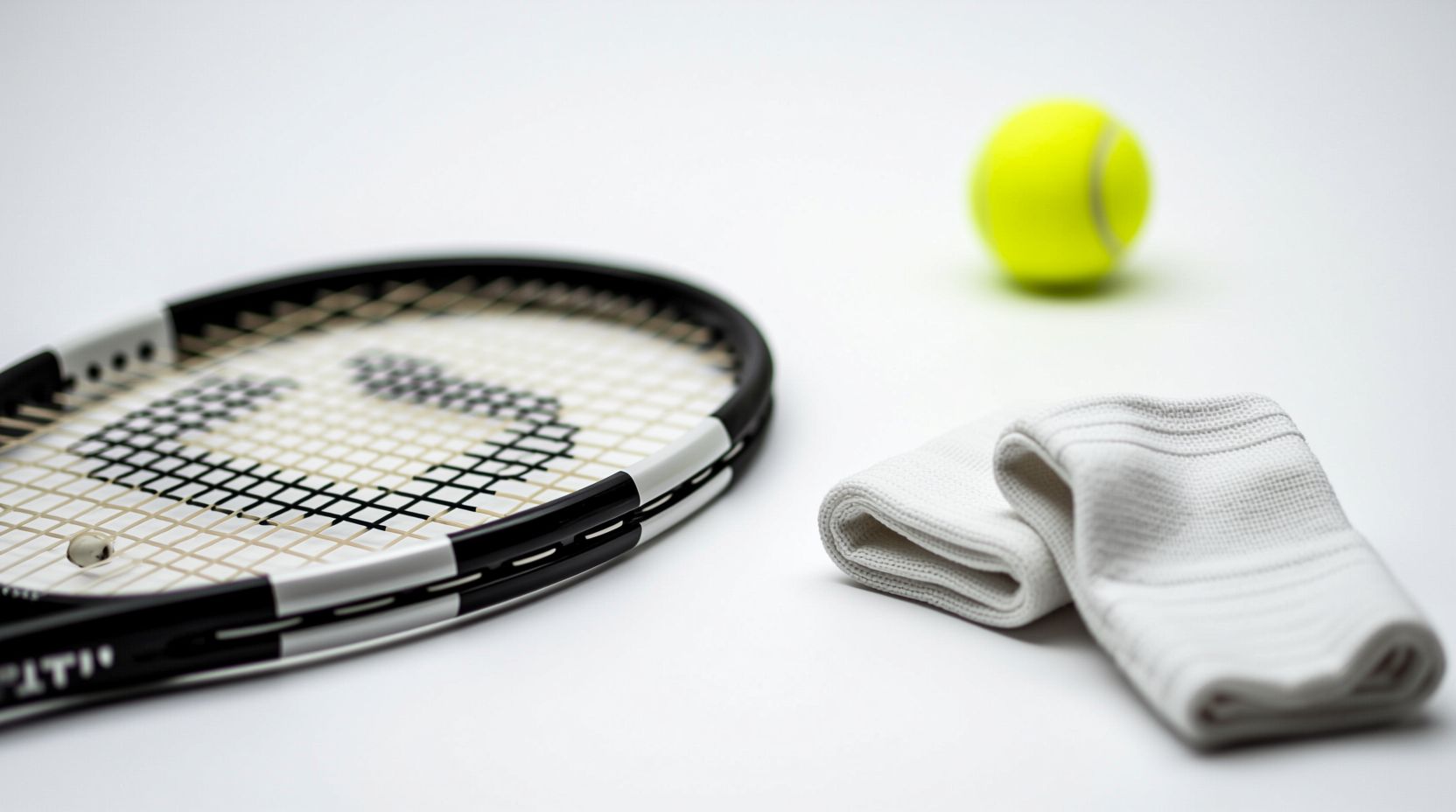
Bienvenido a Nuestro Blog sobre Tenis y Salud
Descubre consejos prácticos y relatos conmovedores sobre cómo los atletas manejan, previenen y se recuperan de lesiones relacionadas con el codo y la muñeca en el tenis.
Consejos para la muñeca
-

Luis chávez, en la órbita del américa: su alto precio complica el fichaje
Luis Chávez, en la órbita del América: el alto precio complica su posible fichaje Luis Chávez aparece entre las opciones que Guillermo Almada habría contemplado para reforzar al América. Sin embargo, el interés deportivo no garantiza que la operación pueda concretarse: el costo del mediocampista representa un obstáculo importante y podría frenar cualquier avance. La…
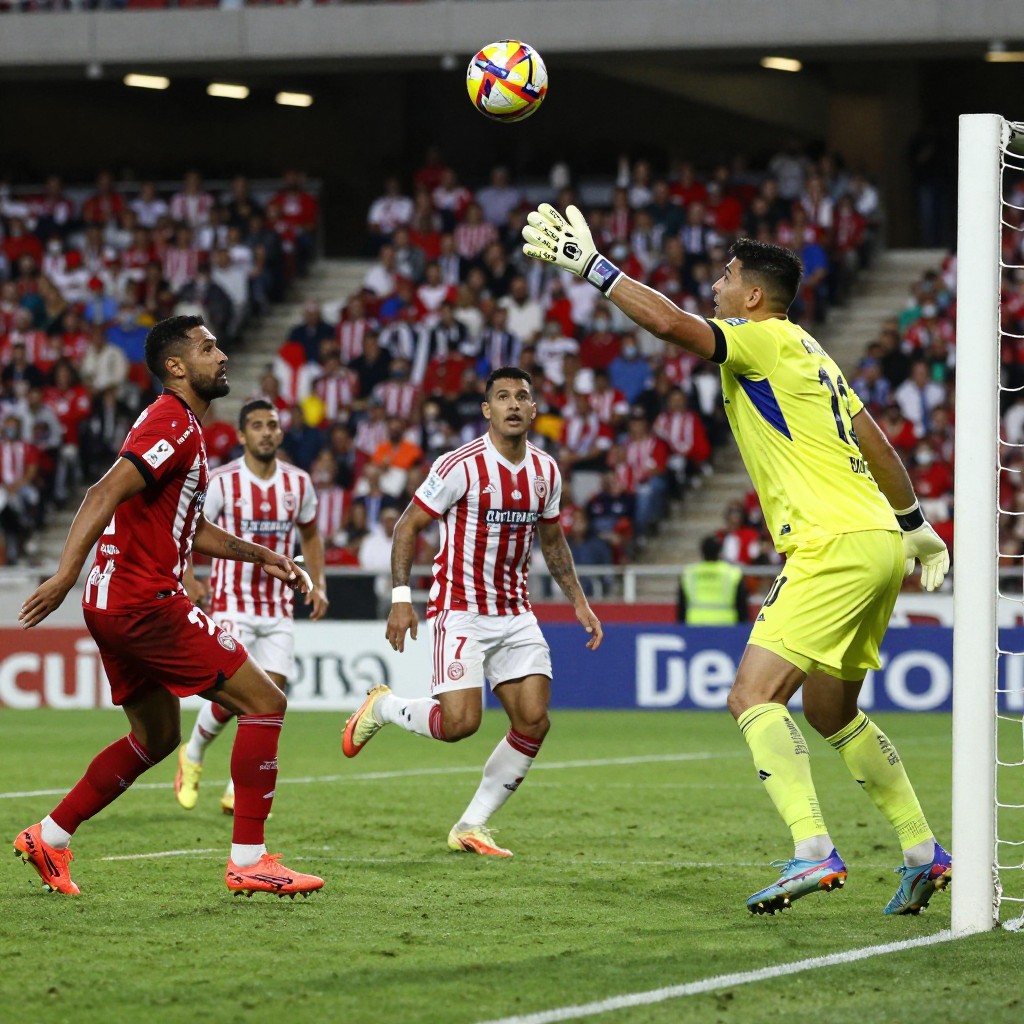
Paco palencia cuestiona el juego de chivas pese a su triunfo ante monterrey
«Chivas no muestra mejoría»: Paco Palencia cuestiona el juego del equipo de Gabriel Milito Chivas consiguió una victoria importante frente a Monterrey y acumuló su segundo triunfo consecutivo, pero el resultado no disipó las dudas sobre el nivel futbolístico del equipo. Aunque Guadalajara se ubicó provisionalmente en el segundo puesto de la clasificación del Apertura…

FAQ
¿Qué es el codo de tenista?
El codo de tenista es una afección causada por la sobrecarga y uso excesivo de los músculos del antebrazo, lo que provoca dolor y sensibilidad en el codo.
¿Cómo puedo prevenir lesiones en la muñeca al jugar tenis?
Usar equipo adecuado, enfocarse en la técnica correcta y realizar ejercicios de fortalecimiento puede ayudar a prevenir lesiones en la muñeca.
¿Cuáles son los síntomas comunes de las lesiones de tenis?
Dolor en las articulaciones, inflamación, limitación en el rango de movimiento y debilidad son algunos de los síntomas.
¿Es necesario el calentamiento antes de jugar tenis?
Sí, el calentamiento es crucial para preparar los músculos y reducir el riesgo de lesiones durante el juego.
¿Cuándo debería consultar a un médico por una lesión de tenis?
Debe consultar a un médico si la lesión causa un dolor significativo, hinchazón o limita su capacidad para jugar.

Sobre Nosotros
En nuestro blog nos apasiona el tenis y nos interesa profundamente la salud de los atletas. Aquí encontrarás una mezcla de análisis técnicos y relatados personales para una visión completa de cómo el deporte puede impactar físicamente a los jugadores.
Guía Gratuita: Mejora Tu Juego y Evita Lesiones
Suscríbete a nuestro boletín y recibe una guía exclusiva con estrategias para mejorar tu juego y mantener la salud de tus articulaciones.
Услуги организации похорон https://ritualnie-uslugi-kazan.ru/ в Казани