Categoría: Prevención de Lesiones
-
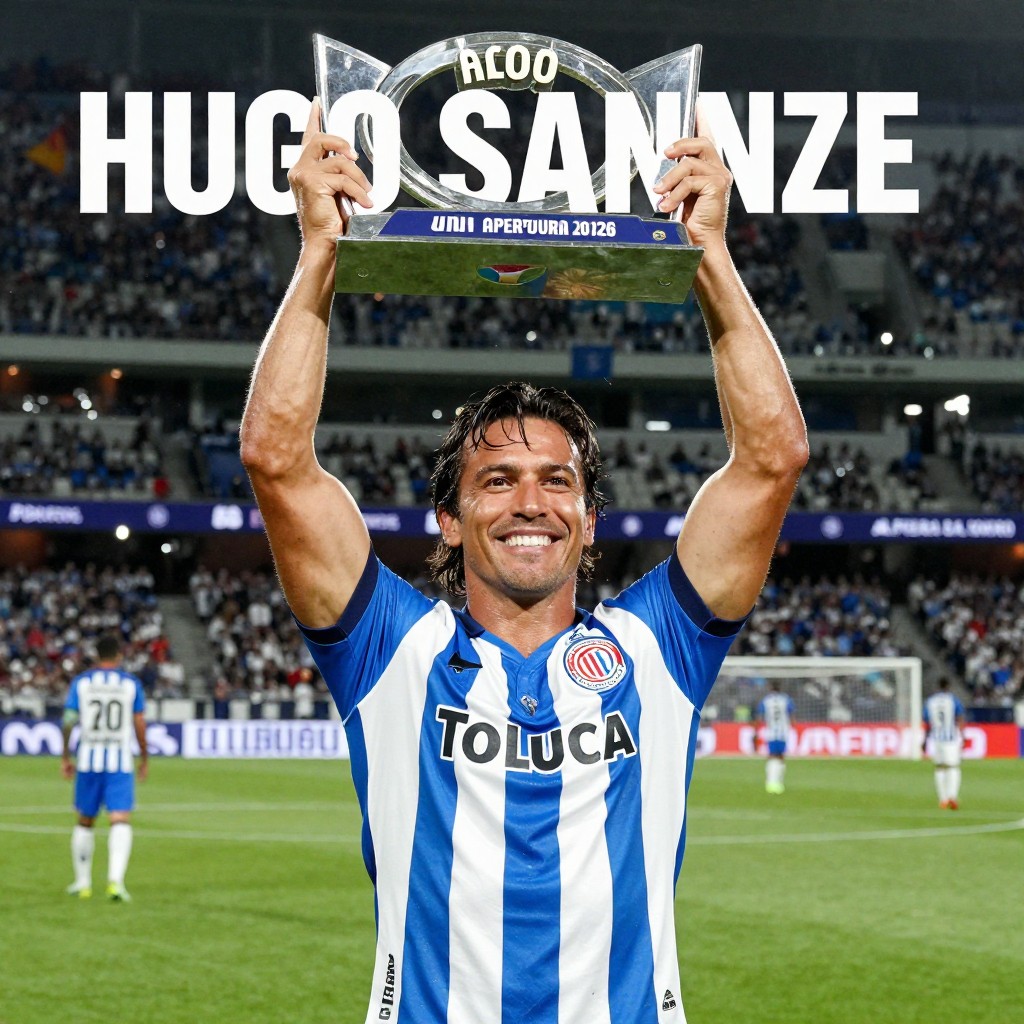
Hugo sánchez señala a toluca como favorito para ganar el apertura 2026
Ni América ni Chivas: Hugo Sánchez señala a su favorito para ganar el Apertura 2026 Toluca atraviesa uno de sus mejores momentos en el Apertura 2026 y ya se colocó como líder absoluto de la Liga MX. El conjunto escarlata consiguió una victoria por 0-1 frente al Puebla en el Estadio Cuauhtémoc, en un partido…
-

Clásico nacional américa vs chivas: el proyecto americanista “está en pañales”
«El proyecto del América todavía está en pañales»: el Clásico Nacional contra Chivas sube de temperatura La rivalidad entre América y Chivas ya comenzó a jugarse fuera de la cancha. A una semana de una nueva edición del Clásico Nacional, el ambiente se ha intensificado debido al contraste entre los resultados recientes de ambos equipos,…
-

Javier aguirre, candidato al banquillo del valencia tras dirigir al tri
Javier Aguirre, de dirigir al Tri a ser candidato para el banquillo del Valencia Javier Aguirre vuelve a aparecer en el radar del futbol español. El técnico mexicano, conocido por su experiencia internacional y por haber dirigido en distintas etapas a la Selección Mexicana, podría convertirse en una de las opciones consideradas para ocupar el…
-
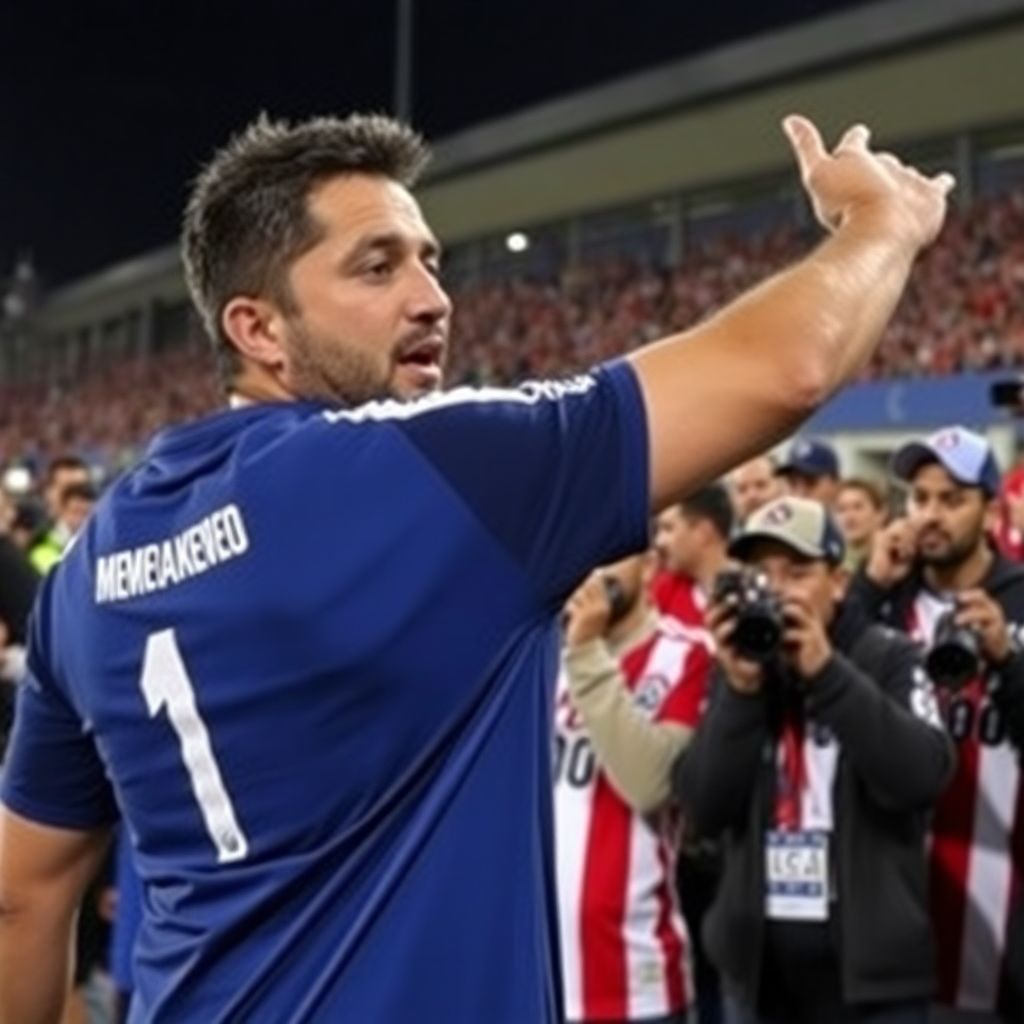
Luis jiménez critica a la afición del necaxa tras derrota ante puebla y desata polémica
Luis Jiménez arremete contra la afición del Necaxa tras caer ante Puebla y provoca controversia La derrota del Necaxa frente al Puebla no solo dejó preocupación por el resultado deportivo. Al terminar el encuentro, Luis Jiménez lanzó un mensaje contundente dirigido a un sector de la afición, una reacción que rápidamente generó debate entre los…
-
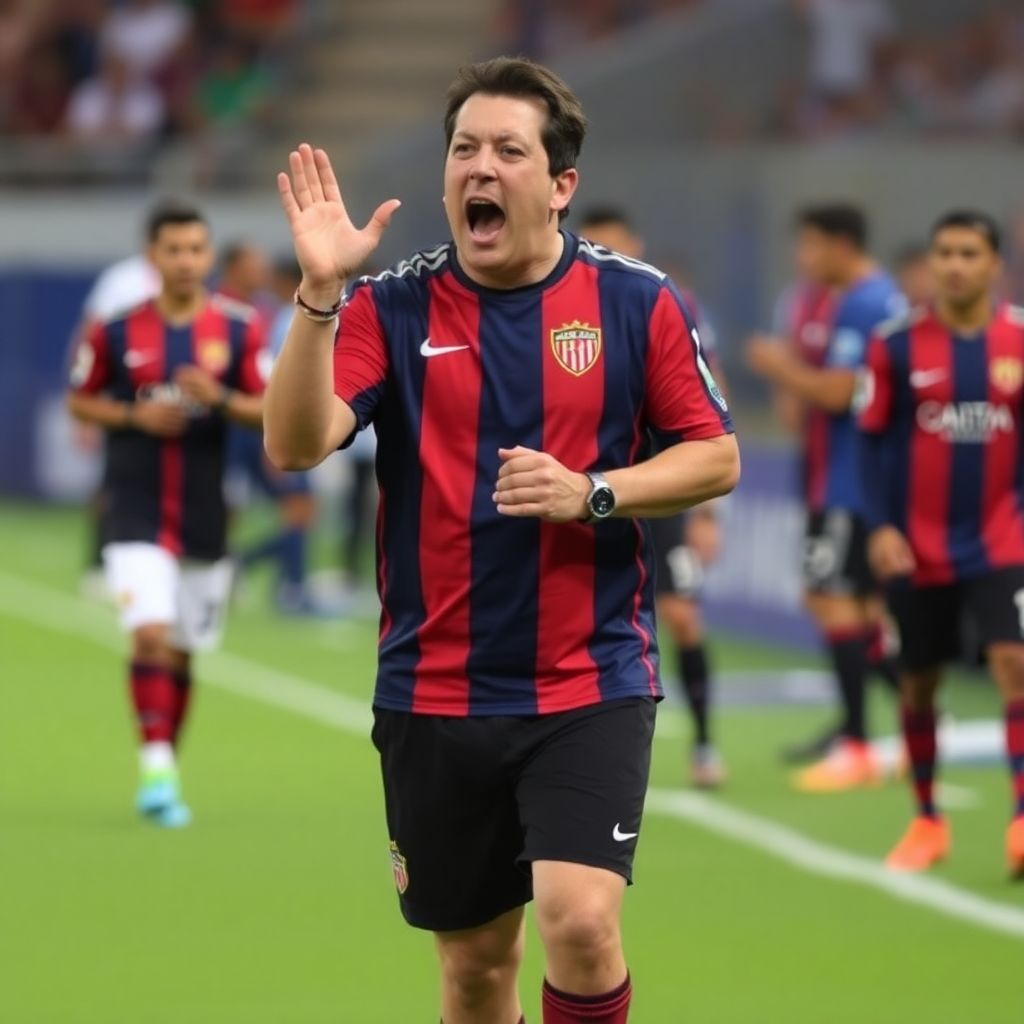
Miguel herrera exige reacción inmediata al atlante tras la derrota ante pachuca
Miguel Herrera reconoce su enojo con el Atlante y exige una reacción inmediata La derrota del Atlante frente al Pachuca encendió las alarmas dentro del equipo. El conjunto azulgrana cayó 0-3 en el Estadio Azteca-Banorte y confirmó que atraviesa un momento muy distinto al que vivió durante las primeras jornadas del Apertura 2026, cuando llegó…
-

Emiliano gómez llega a tigres Uanl para reforzar el ataque con garra charrúa
Emiliano Gómez se convierte en nuevo refuerzo de La U y lleva la garra charrúa a Tigres UANL Tigres UANL dio un nuevo paso en la planificación de su plantilla con la presentación oficial de Emiliano Gómez, delantero uruguayo que llega para fortalecer el ataque del conjunto universitario. El fichaje incorpora al equipo una alternativa…
-

¿guido pizarro traicionó a tigres?. Su salida agrava la crisis con manuel vucetich
¿Guido Pizarro traicionó a Tigres? Su salida sacude al equipo en plena crisis con Manuel Vucetich La salida de Guido Pizarro ha provocado una fuerte reacción en el entorno de Tigres, especialmente porque se produce en un momento de incertidumbre deportiva y con Manuel Vucetich al frente del banquillo. La decisión no solo representa la…
-
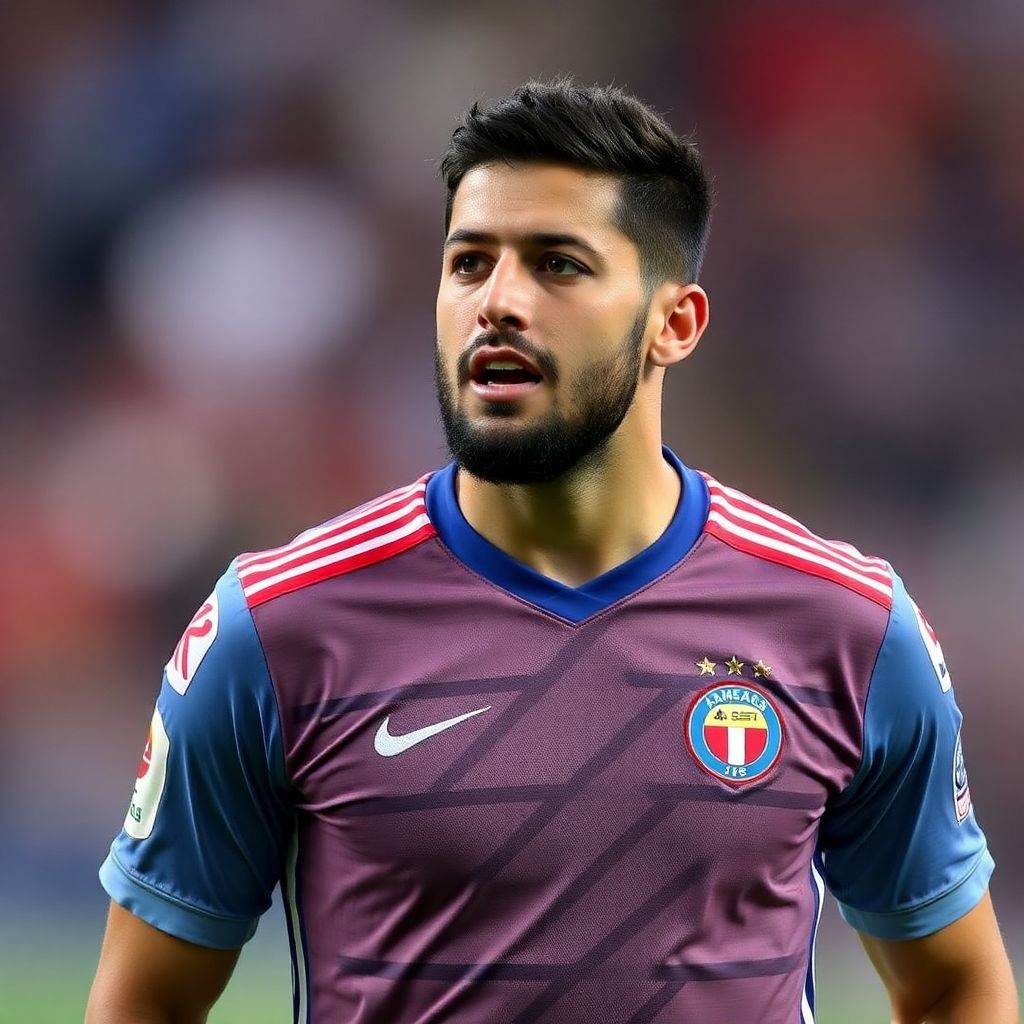
Carlos Álvarez preocupa al américa tras llegar lesionado para el proyecto de guillermo almada
Carlos Álvarez inquieta al América: el refuerzo de Guillermo Almada comienza con una lesión La llegada de Carlos Álvarez al América no ha comenzado como el club esperaba. El futbolista, incorporado como una de las principales apuestas para fortalecer el proyecto dirigido por Guillermo Almada, arrastra una lesión que genera preocupación dentro de la institución…
-
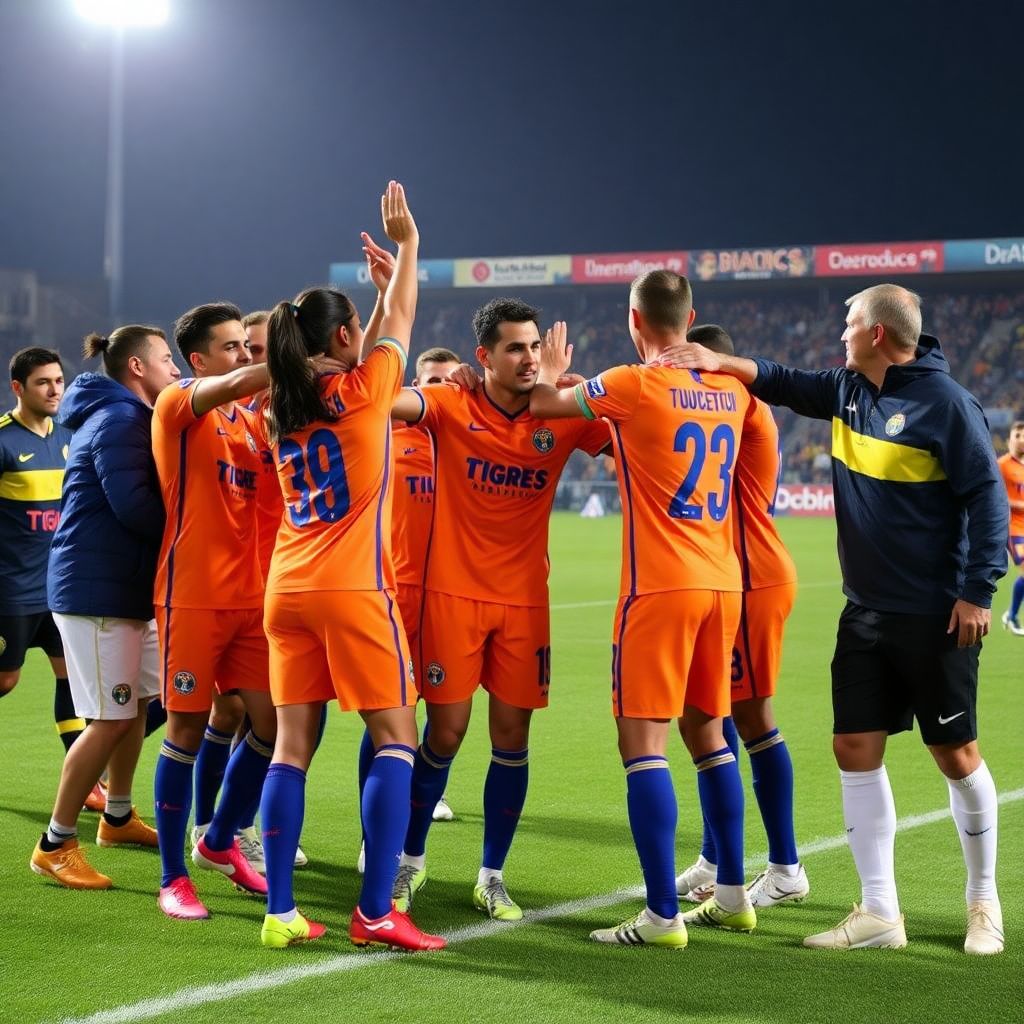
Manuel vucetich destaca el crecimiento de tigres tras rescatar el empate
Manuel Vucetich destaca la evolución de Tigres tras rescatar un empate: «Seguimos creciendo» Manuel Vucetich encontró motivos para valorar el rendimiento de Tigres después del empate. Aunque el resultado no significó una victoria, el entrenador consideró que su equipo mostró señales de progreso y una mejor respuesta colectiva durante el encuentro. Para el técnico, el…
-
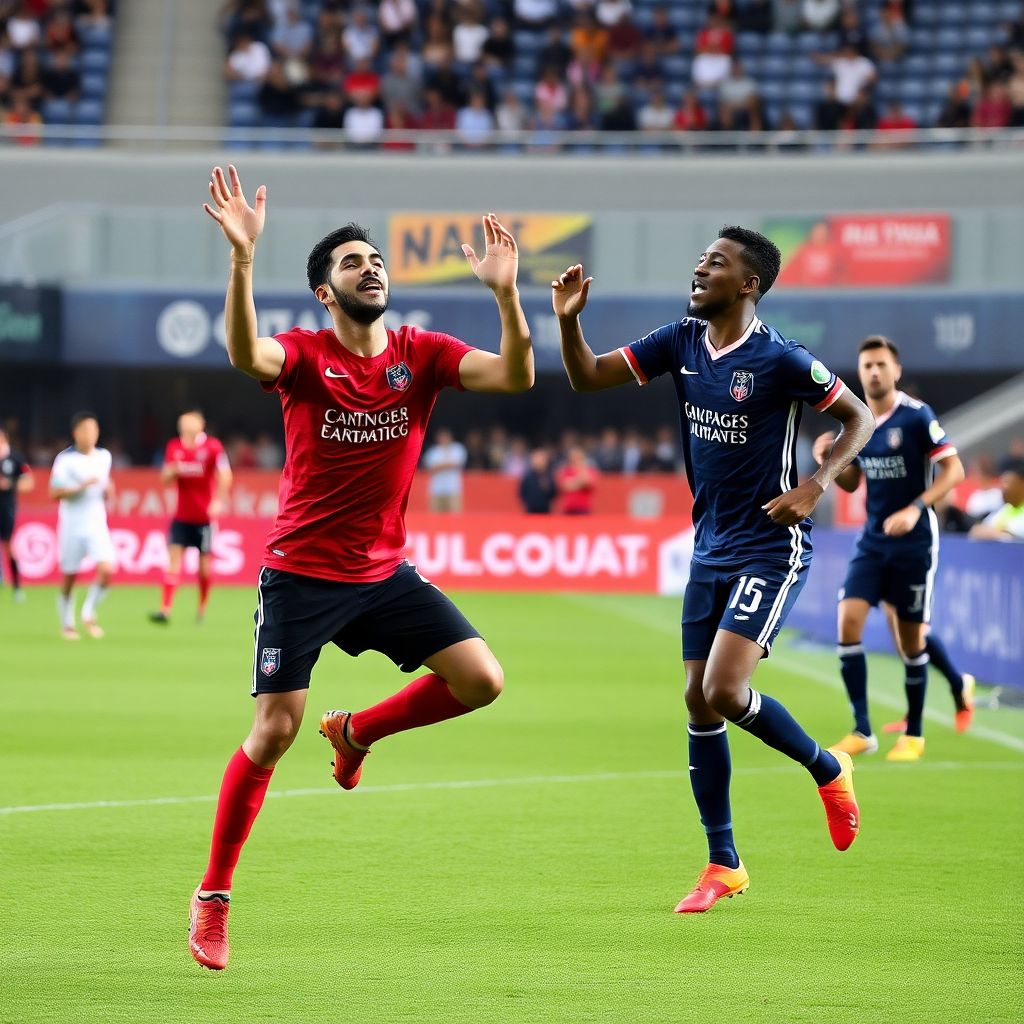
Chucky lozano castiga a san diego Fc y celebra con emoción su gol
Chucky Lozano castiga a su exequipo San Diego y festeja con emoción su gol Hirving «Chucky» Lozano volvió a ser protagonista al enfrentar a San Diego FC, su antiguo equipo, y aplicó la llamada «ley del ex». El delantero mexicano encontró el camino del gol en un duelo especial y no desaprovechó la oportunidad de…