Categoría: Análisis de Partidos
-
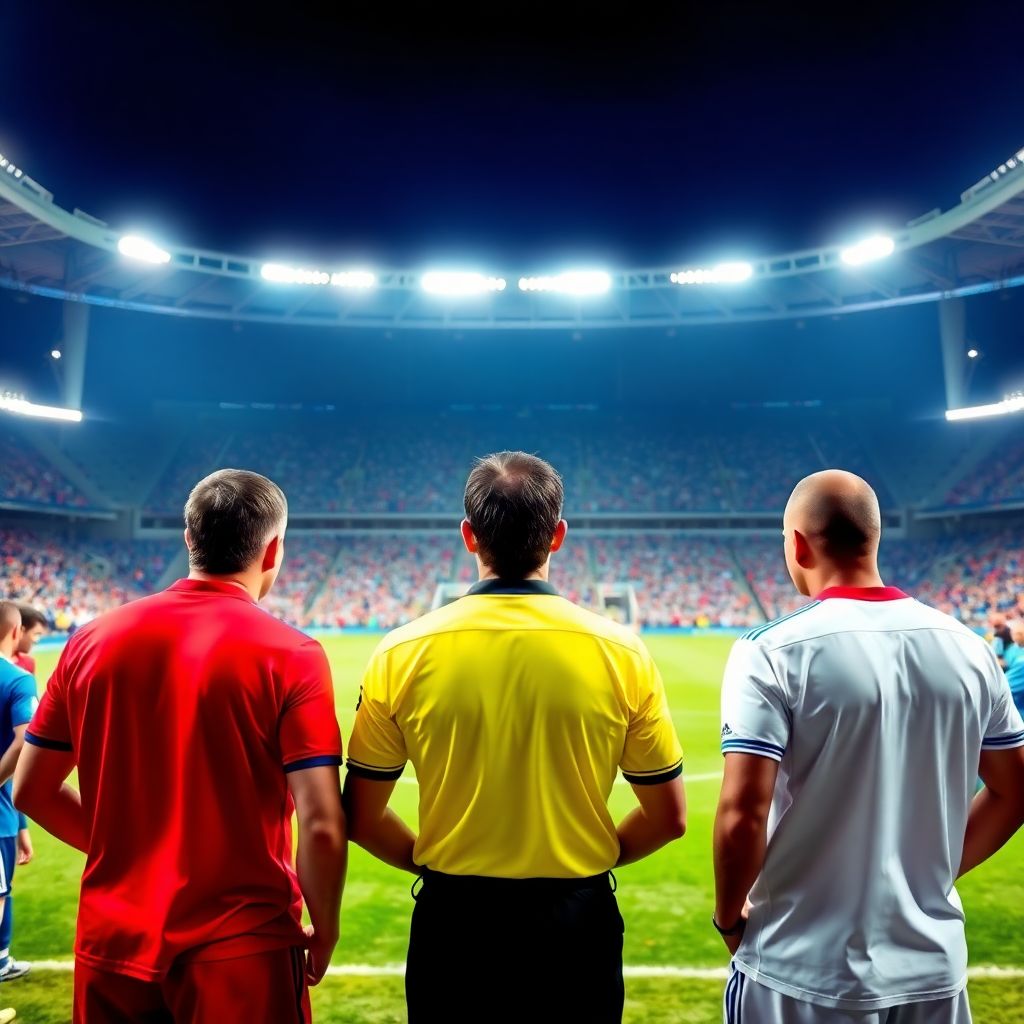
Árbitro de la final españa-argentina: slavko vincic en el mundial 2026
Árbitro definido para la Final España-Argentina: Slavko Vincic, el juez del mejor partido de México en el Mundial 2026 La Copa del Mundo 2026 ya conoce a todos sus protagonistas principales para la Gran Final, y no solo en lo que respecta a las selecciones. Tras confirmarse los finalistas España y Argentina, también ha quedado…
-

Rafael márquez y el modelo scaloni: el plan del tri rumbo a 2030
«Se parece a Scaloni»: por qué Chaco Giménez ve a Rafael Márquez como el espejo argentino para el Tri rumbo a 2030 Rafael Márquez ya es, de forma oficial, el nuevo director técnico de la Selección Mexicana para el proceso hacia el Mundial de 2030, que se disputará en España, Portugal y Marruecos, con partidos…
-

América se mueve en el mercado: refuerzos de guillermo almada desde el mundial 2026
América ya se mueve en el mercado: los refuerzos que pidió Guillermo Almada, dos de ellos en el Mundial 2026 En pleno desarrollo del Mundial 2026, el Club América no perdió tiempo y oficializó a Guillermo Almada como su nuevo director técnico, poniendo fin a la etapa de André Jardine, el entrenador con el que…
-
Wearable technology to monitor tennis arm load and prevent injuries
Wearable technology for tennis-arm load monitoring combines motion and force sensors placed on the racket arm with simple app dashboards. By tracking stroke count, impulse, and peak torque per session, you can spot overload early, adjust training volume in real time, and systematically reduce the risk of elbow and wrist overuse injuries. Essential Metrics for…
-
Specific warm-up for elbow and wrist before an intense tennis match
A specific elbow and wrist warm-up before an intense match should last 8-12 minutes, progress from light mobility to sport-like hits, and stay pain-free at every step. You combine circulation work, dynamic stretches and activation of forearm and grip so that both joints tolerate repeated serves, topspin and volleys without overload. Priority steps before stepping…
-
Tactical analysis of a classic match: decisions that increased elbow injury risk
Elbow injury risk in a classic tennis match rose when tactical choices forced repeated high‑load strokes under fatigue and poor spacing. Dense baseline rallies, late defensive shifts, and aggressive hitting from unstable positions overloaded the joint. Safer tactics distribute ball height, direction, and tempo so the elbow does not absorb constant, poorly timed impact. Tactical…
-
Tennis elbow: causes, symptoms and prevention for amateur and elite players
Tennis wrist is an overuse and/or impact-related pain syndrome around the wrist joint in players, typically caused by repetitive strokes, poor technique, and inadequate load management. It affects amateurs and elite players differently: amateurs suffer more from technical errors, while professionals accumulate high-load microtrauma despite usually excellent technique and support. Core facts about tennis wrist…
-
Essential warm up and stretching routine before matches to protect elbow and wrist
Effective pre‑match care for elbow and wrist combines 5-10 minutes of general warm‑up, 8-12 minutes of specific activation, and short, controlled stretches. Focus on forearm, grip, and shoulder, use pain‑free ranges only, and adjust load for recent symptoms or high playing volume to improve performance and reduce overuse risk. Primary Warm‑Up Goals for Protecting Elbow…
-
How to choose racket weight and balance to reduce tennis elbow risk
To minimise tennis elbow risk, choose a moderately weighted, head-light, flexible racket with a comfortable grip, then fine-tune swingweight and balance in small, reversible steps. Avoid ultra-light, stiff, head-heavy frames. Test any setup on court at low intensity first, monitoring pain and fatigue in the forearm and lateral elbow. Critical factors linking racket mass and…
-
Early signs of elbow and wrist injuries in amateur tennis players and how to spot them
Early elbow and wrist injury signs in amateur tennis are: new, localized pain linked to strokes, stiffness or weakness compared with the other arm, grip changes, and pain that appears earlier and earlier in a session. Stop, test basic movements, and adjust training before asking for full diagnóstico y tratamiento. Primary early-warning signs for elbow…