Categoría: Análisis de Partidos
-
Hormiga gonzález a olympiacos: el 10 por ciento que haría más rico a chivas
Hormiga González y Grecia: el 10 por ciento que puede volver aún más rico a Chivas El futuro de Armando «Hormiga» González se ha convertido en uno de los temas más trascendentes para Chivas en la última década. No solo está en juego la salida de su goleador, sino también una operación que podría marcar…
-
Tigres: quique setién se perfila como sustituto de guido pizarro en el banquillo
La dirigencia de Tigres ya tendría muy encaminada la elección del nuevo sustituto de Guido Pizarro en el banquillo, y el panorama se ha ido aclarando en las últimas horas. El proyecto deportivo de los felinos entra en una fase clave, mientras el equipo sigue sin ganar en el arranque del Apertura 2026 y la…
-
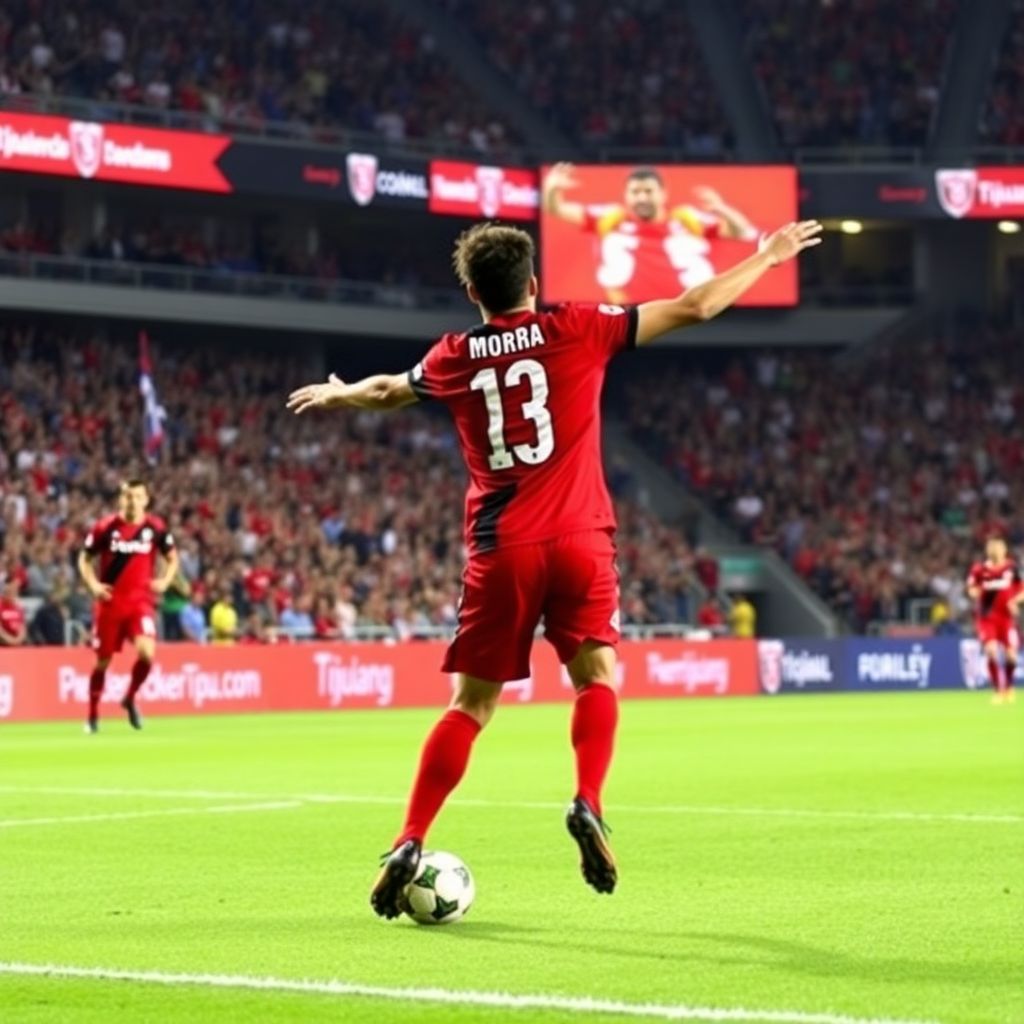
Gilberto mora rompe el hechizo y sentencia el 2-0 de xolos sobre cruz azul
Gilberto Mora rompe el hechizo ante Cruz Azul y coloca el 2-0 para Xolos En una noche en la que el fútbol de área parecía haberse extinguido para Tijuana, apareció la pierna derecha de Gilberto Mora para cambiarlo todo. El atacante fronterizo, que había pasado casi desapercibido en los primeros minutos, terminó siendo el protagonista…
-
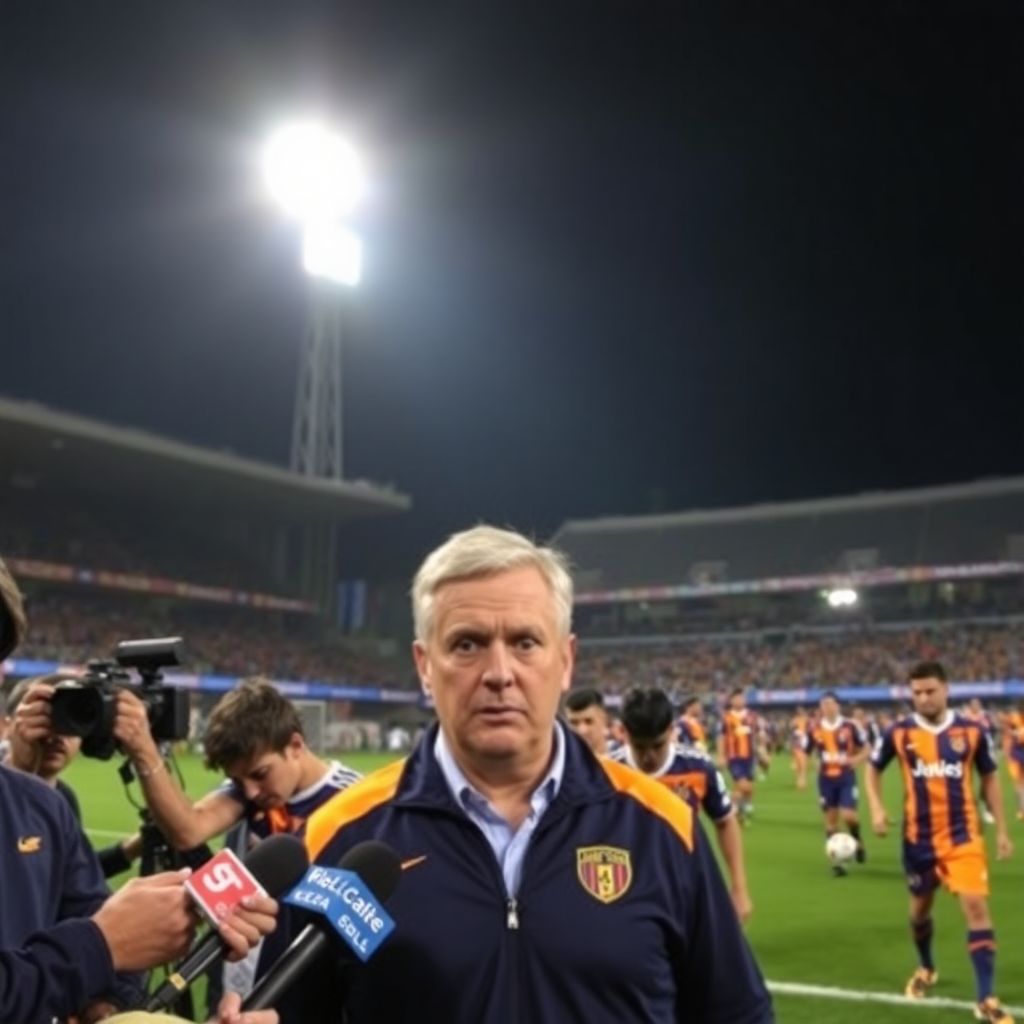
Tigres queda fuera de leagues cup y hernán elizondo asume la responsabilidad
Tigres se despide de la Leagues Cup y Hernán Elizondo asume la responsabilidad: «Hoy no alcanzó» La eliminación de Tigres en la Leagues Cup ha encendido las alarmas en el entorno felino. El equipo regiomontano quedó fuera del torneo antes de lo planeado y, tras el silbatazo final, Hernán Elizondo dio la cara y resumió…
-
Chivas intensifica su preparación física antes de medirse al seattle sounders
Chivas afina detalles físicos antes de medirse al Seattle Sounders en Leagues Cup El plantel de Chivas continúa con su preparación de cara al duelo frente al Seattle Sounders en la Leagues Cup y, en esta fase de la planificación, el trabajo de gimnasio se ha convertido en una pieza clave. El cuerpo técnico decidió…
-
Memes de brian rodríguez: lo comparan con cristiano ronaldo y ronaldinho tras golazo
MEMES: los aficionados comparan a Brian Rodríguez con Cristiano Ronaldo y Ronaldinho tras su golazo El futuro de Brian Rodríguez con el América está en el aire, pero mientras la directiva define qué ocurrirá con el uruguayo, el delantero se encargó de encender aún más el debate con un auténtico golazo ante Portland en la…
-
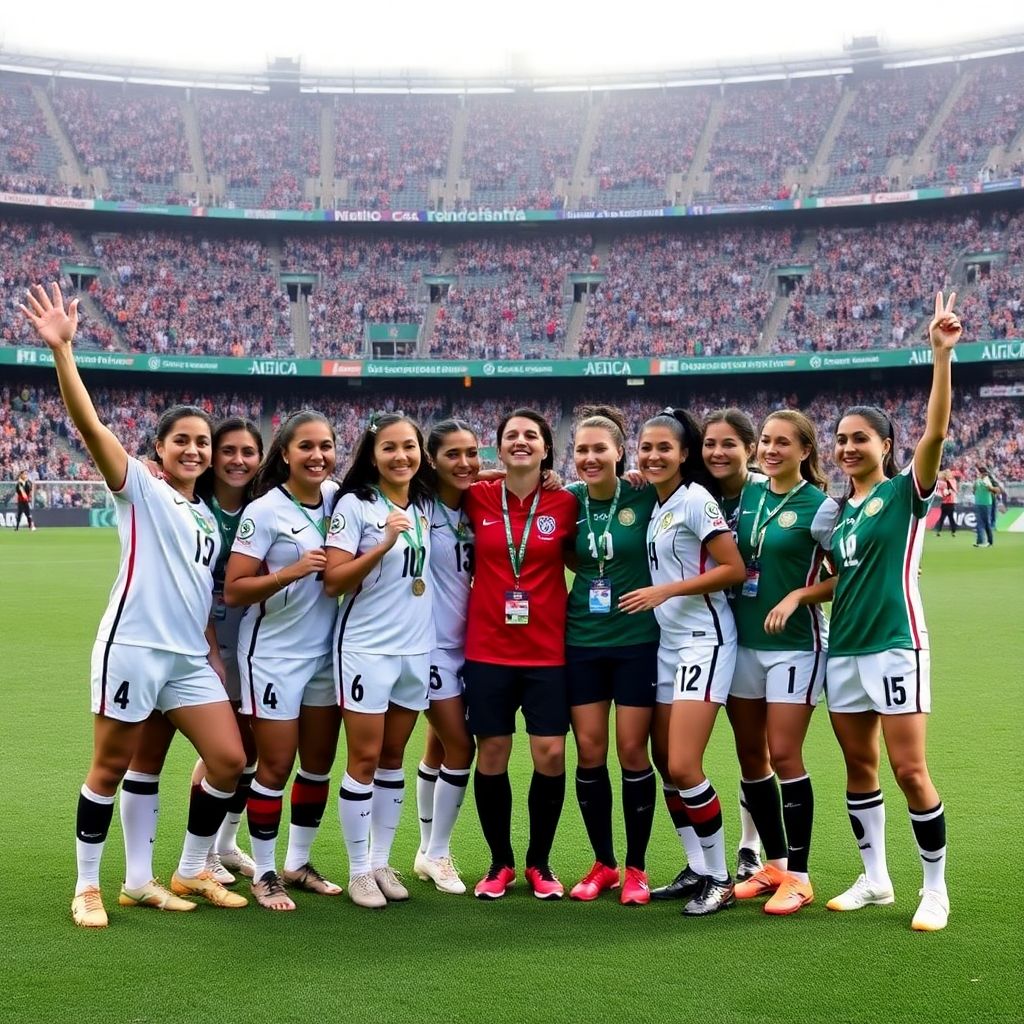
América femenil vuelve al estadio azteca: Ángel villacampa y su sueño
Ángel Villacampa no ocultó su satisfacción al confirmarse que América Femenil volverá a jugar en el Estadio Azteca. Para el técnico azulcrema, el coloso de Santa Úrsula es mucho más que una sede ocasional: representa la casa natural del equipo, el escenario donde el proyecto debe consolidarse y donde la afición se identifica de manera…
-

Chicharito confiesa por qué no fue suficientemente masculino en su divorcio
«No era lo bastante masculino para esa familia»: la confesión de Chicharito sobre su divorcio con Sarah Kohan Javier «Chicharito» Hernández volvió a hacer ruido fuera de la cancha al hablar sin filtros de uno de los episodios más complejos de su vida: su divorcio de la modelo australiana Sarah Kohan, madre de sus dos…
-

América femenil, campeón de campeonas: jana gutiérrez y el no hay equipo mejor
Jana Gutiérrez no tuvo dudas al momento de resumir el momento que vive América Femenil tras conquistar el Campeón de Campeonas: «No hay equipo mejor». La futbolista azulcrema lanzó así un mensaje directo al resto de la Liga MX Femenil, dejando claro que el objetivo del vestidor es sostener una hegemonía y no conformarse con…
-

Hugo cuypers llega a monterrey como nuevo goleador de rayados
Hugo Cuypers aterriza en Monterrey y se convierte en el nuevo goleador de Rayados. Con una sonrisa y visiblemente ilusionado, el delantero belga pisó suelo regiomontano tras concretar su fichaje con el club albiazul, al que definió de inmediato con una frase clara y contundente: «Es un club grande». El atacante llega procedente del futbol…