Categoría: Equipamiento Adecuado
-
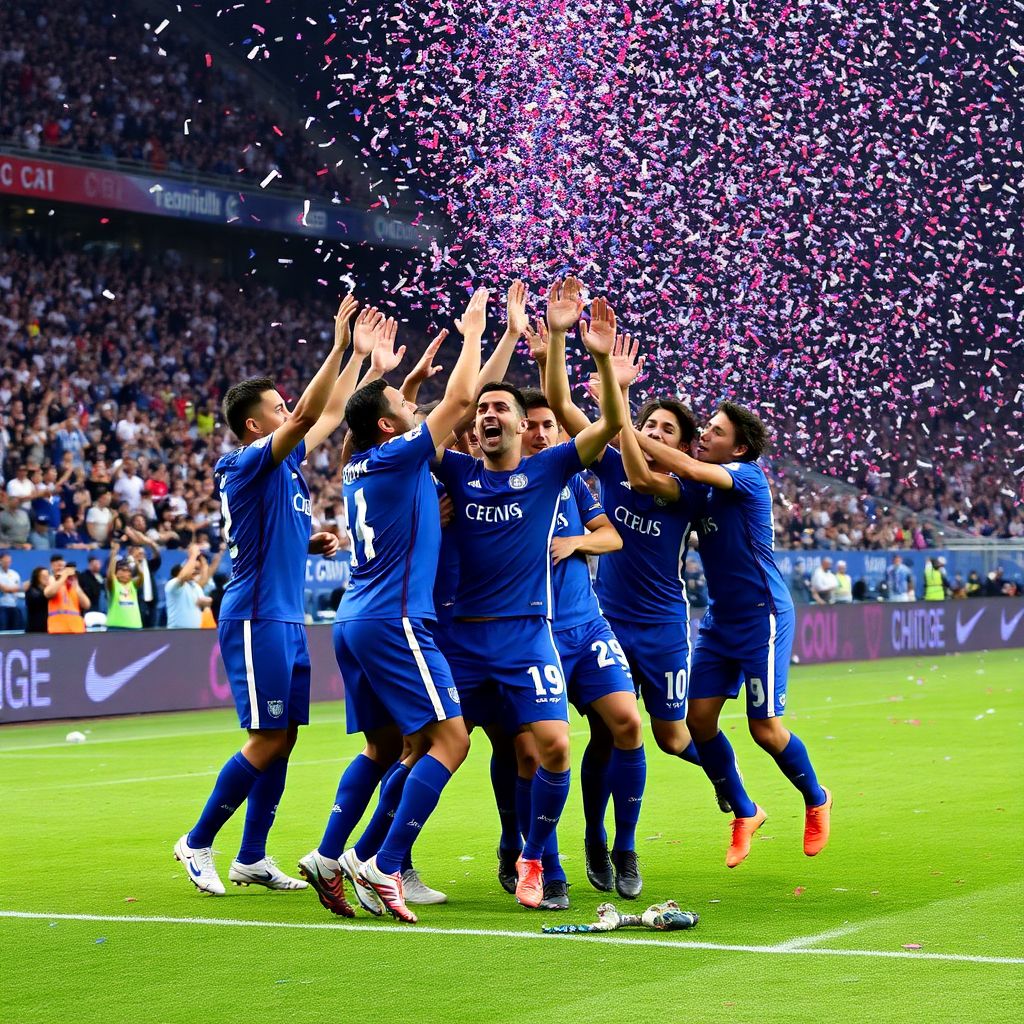
Cruz azul, candidato número uno al título tras épica reacción ante san luis
«Cruz Azul, candidato número uno al título»: la épica reacción ante San Luis que refuerza su etiqueta de campeón Cruz Azul ha consolidado en tiempo récord una imagen de equipo grande, no sólo por sus recientes trofeos, sino por la forma en que compite. En el último año alzó primero la Concachampions y, de inmediato,…
-
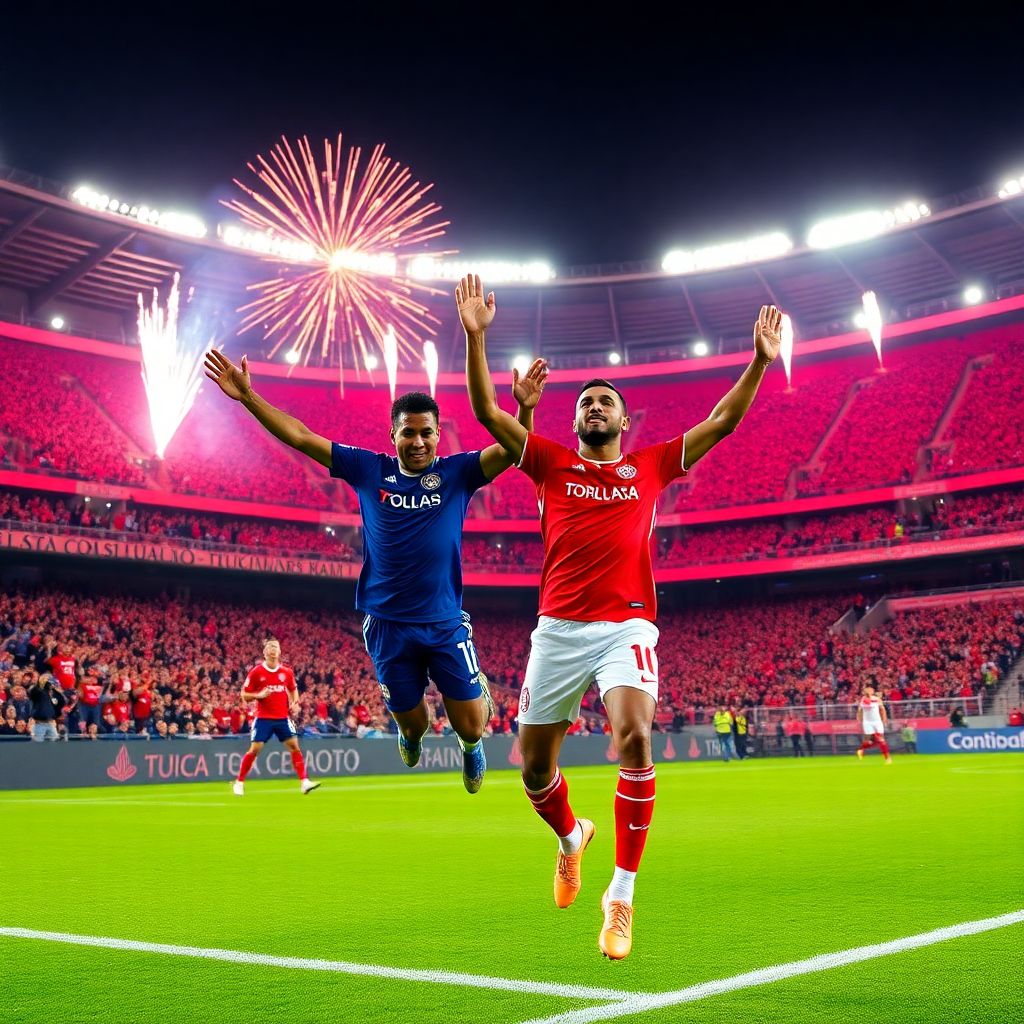
Toluca prepara fichaje bomba mundialista para acompañar a paulinho
Toluca se niega a soltar el protagonismo en la Liga MX y está a punto de encender el mercado de fichajes con un movimiento de alto impacto. El club mexiquense tiene prácticamente amarrado a un refuerzo ofensivo de jerarquía internacional, un jugador que disputó el Mundial 2026 y que llegaría para compartir el ataque con…
-
Selección mexicana femenil: se filtra la nueva playera rosa para el mundial 2027
Filtran los primeros detalles de la nueva playera de la Selección Mexicana Femenil para el Mundial 2027 La cuenta regresiva hacia la Copa del Mundo Femenil de 2027 en Brasil ya comenzó y, mientras se afinan los últimos detalles del proceso clasificatorio de la CONCACAF, también empiezan a conocerse pistas del que sería el nuevo…
-
Liga Mx 2026: pumas podría perder a rubén duarte rumbo al Ud almería en laliga
Liga MX 2026: Pumas se arriesga a perder a un pilar defensivo que podría marcharse al UD Almería de LaLiga La reconfiguración del plantel de Pumas para la segunda mitad del año podría traer un golpe inesperado para la zaga auriazul. Justo cuando el proyecto encabezado por Esteban Solari empezaba a consolidarse, surgió desde España…
-
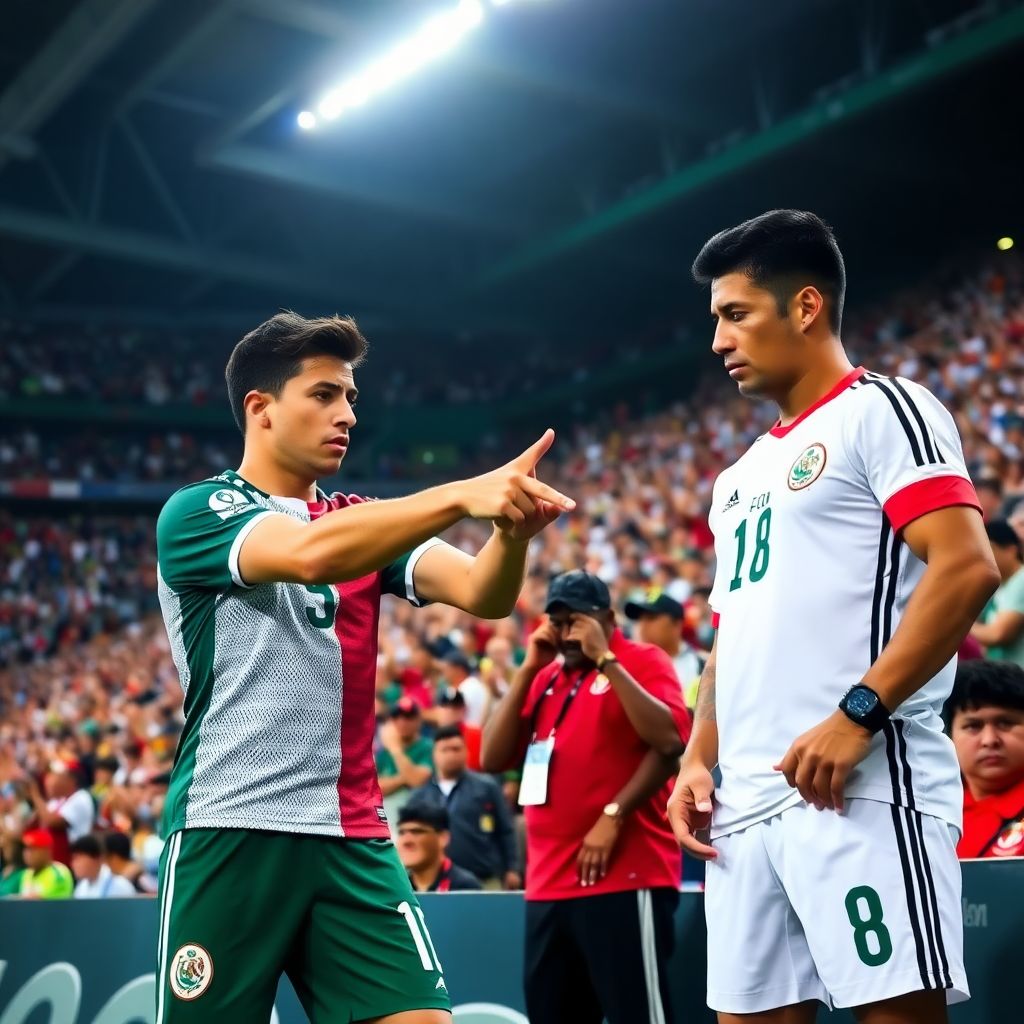
Chicharito señala a edson Álvarez tras el fracaso del tri en 2026
Chicharito señala a Edson Álvarez tras el fracaso del Tri ante Inglaterra en el Mundial 2026 La eliminación de la Selección Mexicana en los octavos de final del Mundial 2026 continúa dejando un sabor amargo entre los aficionados. El marcador de 3-2 frente a Inglaterra no cuenta toda la historia: lo que más duele es…
-
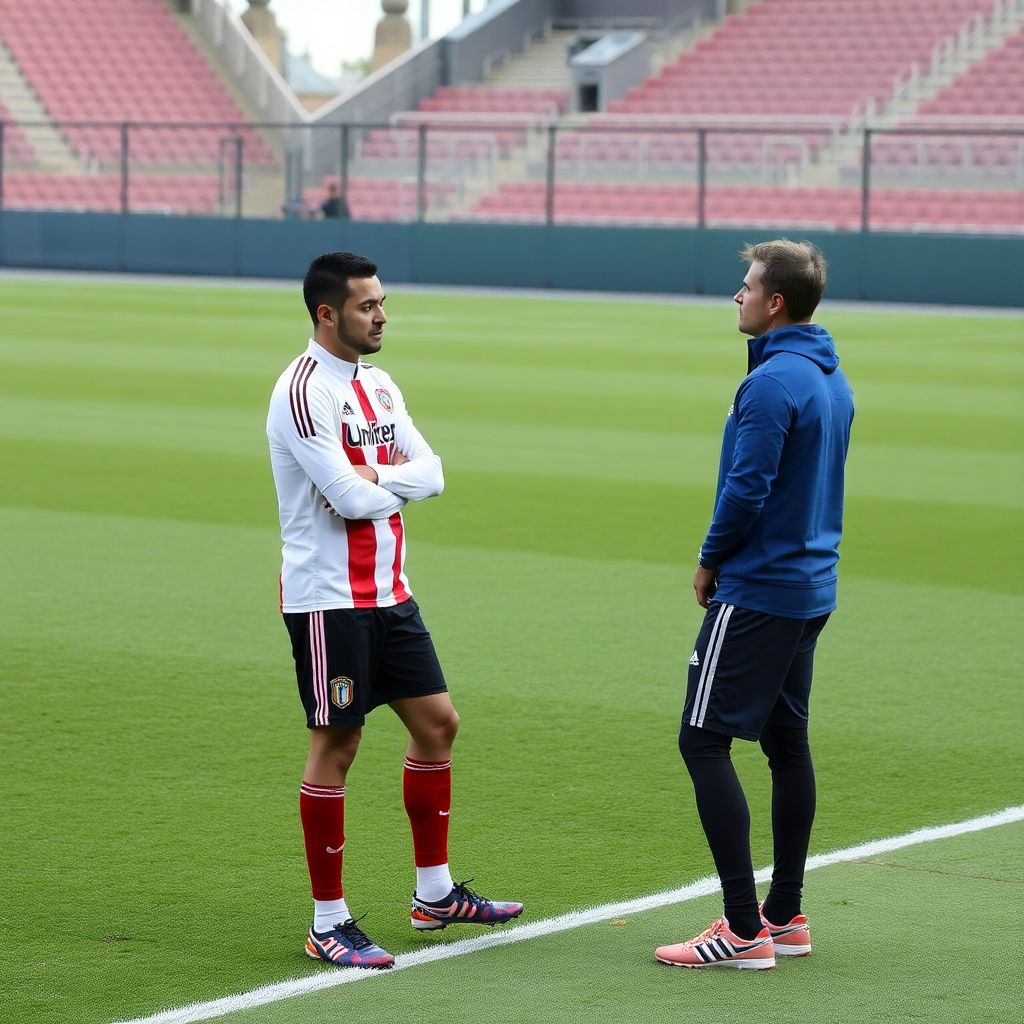
Chivas: gabriel milito define la salida de miguel tapias antes del apertura 2026
Gabriel Milito define la limpieza del plantel: Chivas busca la salida de un defensor antes del Apertura 2026 Las cuentas en Chivas están claras de cara al Apertura 2026: el margen de error es mínimo y la plantilla debe quedar perfectamente equilibrada antes de que ruede el balón. A menos de dos semanas del inicio…
-
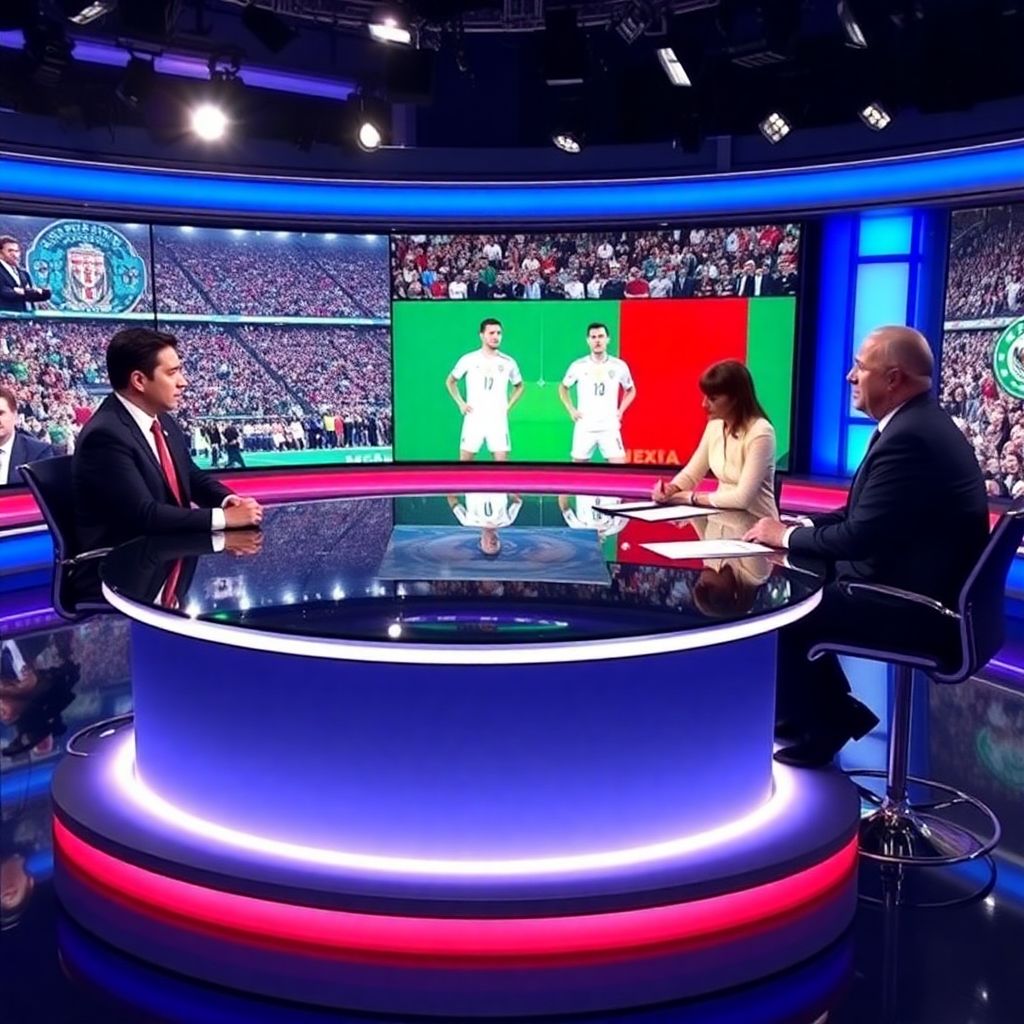
Tres delanteros de área: ¿error táctico de javier aguirre ante inglaterra?
«Tres delanteros es algo que no practicaste»: la decisión de Javier Aguirre que encendió el debate tras el México-Inglaterra La eliminación de México en los Octavos de Final del Mundial 2026, con el 3-2 ante Inglaterra, dejó algo más que lamento y orgullo por la reacción final. Abrió una discusión táctica que ya domina las…
-
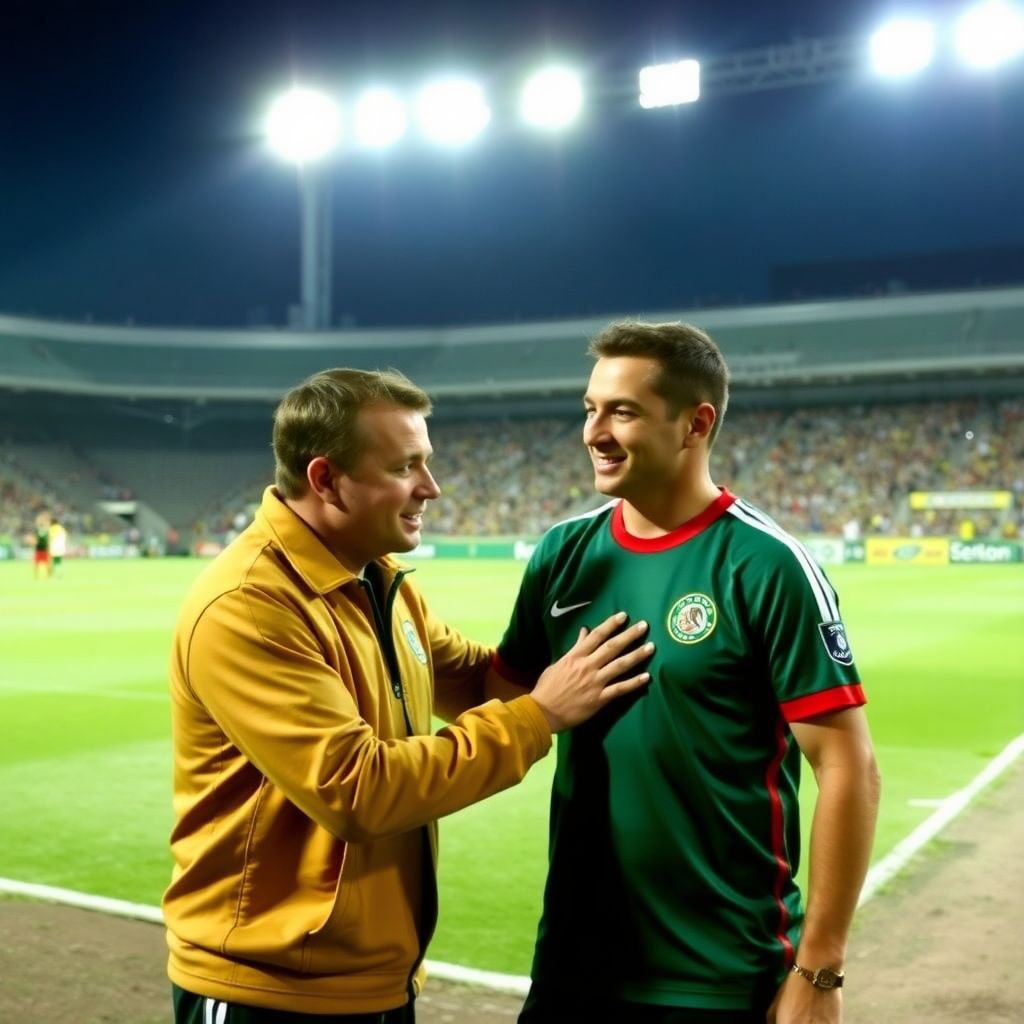
Bellingham y su gran gesto con gilberto mora y elogio a erik lira en el azteca
El gran gesto de Bellingham con Gilberto Mora y el elogio a Erik Lira: una noche inolvidable en el Azteca El cierre del duelo entre México e Inglaterra en la Copa del Mundo dejó mucho más que un marcador y una eliminación. En el Estadio Azteca se vivió una de esas noches que quedan grabadas…
-
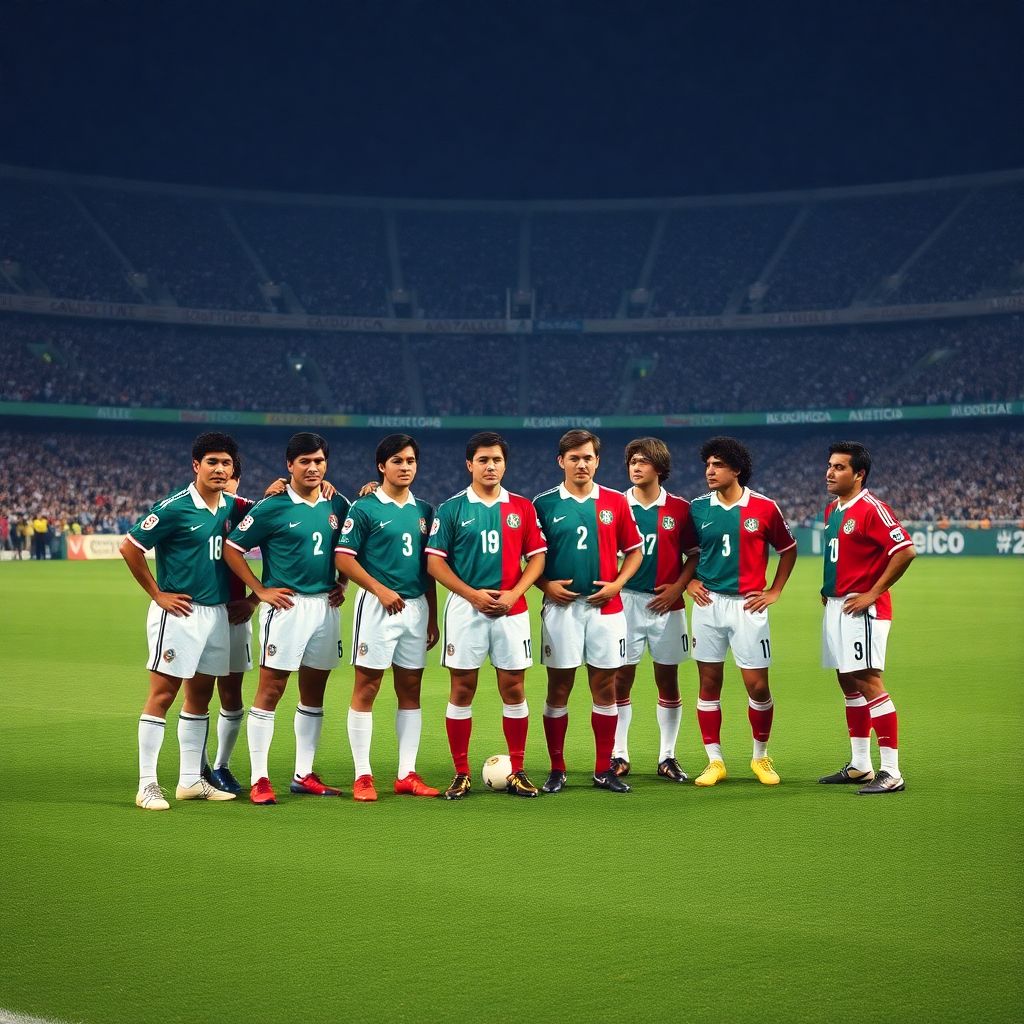
México 86 vuelve al azteca para impulsar al tri de aguirre rumbo a inglaterra
La última generación mexicana que pisó los Cuartos de Final de un Mundial volvió a reunirse en el Estadio Azteca para mandar un mensaje de aliento a Javier Aguirre y a la Selección Mexicana que se prepara para enfrentar a Inglaterra en los Octavos de Final del Mundial 2026, este domingo 5 de julio, en…
-
Elbow pain in a tournament: when to stop and when it is safe to keep playing
For elbow pain during a tennis or pádel tournament, you can keep playing only if pain is mild, stable, and improves with short rests or simple modifications. Stop immediately if pain is sharp, increasing, associated with loss of strength, numbness, deformity, or night pain. When in doubt, prioritise stopping and medical assessment. Immediate action checklist…